
Energy-efficient homes are more than just a trend—they’re a smart, sustainable choice that benefits both homeowners and the environment. By reducing energy consumption and optimizing resource use, these homes lower utility bills, enhance comfort, and reduce your carbon footprint. Here’s everything you need to know about designing, building, or upgrading to an energy-efficient home.
What Is an Energy-Efficient Home?
An energy-efficient home is designed to minimize energy waste while maintaining a comfortable living environment. It achieves this by incorporating energy-saving technologies, sustainable materials, and thoughtful design strategies.
Benefits of an Energy-Efficient Home
- Lower Utility Bills: By reducing energy usage, you’ll enjoy significant savings on heating, cooling, and electricity costs.
- Improved Comfort: Features like proper insulation and advanced HVAC systems ensure consistent temperatures and better air quality.
- Environmental Impact: Lower energy consumption reduces greenhouse gas emissions, contributing to a healthier planet.
- Increased Home Value: Energy-efficient homes are attractive to buyers, often commanding higher resale prices.
- Tax Incentives and Rebates: Many governments offer financial incentives for energy-efficient upgrades or new construction.
Key Features of Energy-Efficient Homes
1. Efficient Insulation
Proper insulation in walls, roofs, and floors reduces heat loss in winter and keeps your home cool in summer. Look for high R-value insulation materials for maximum performance.
2. Energy-Efficient Windows and Doors
Double- or triple-pane windows with low-emissivity (low-E) coatings help regulate indoor temperatures. Properly sealed doors prevent drafts and energy loss.
3. Advanced HVAC Systems
Modern heating, ventilation, and air conditioning (HVAC) systems use less energy to maintain comfort. Consider options like heat pumps or energy-efficient furnaces.
4. Renewable Energy Sources
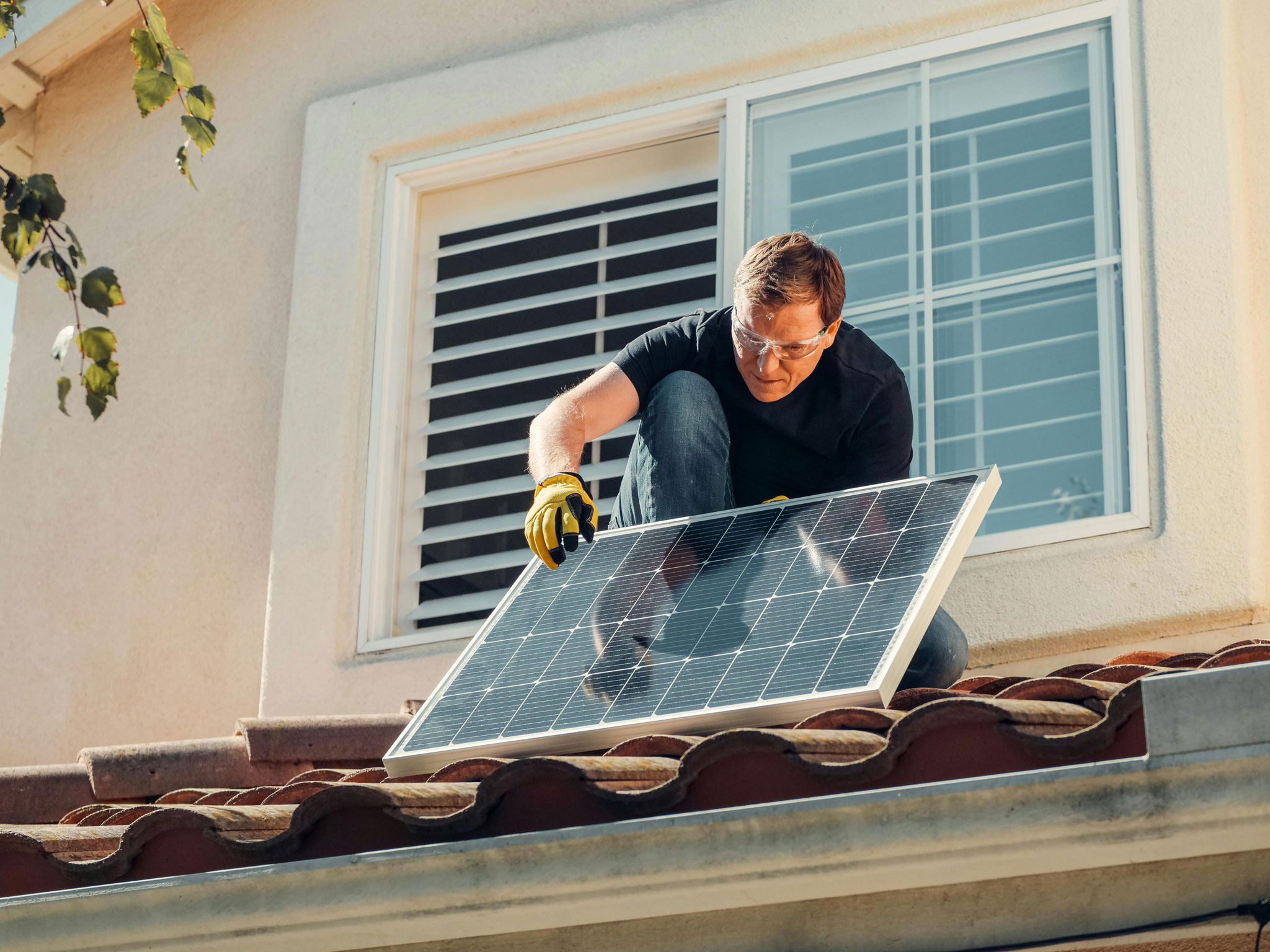
Installing solar panels or wind turbines allows you to generate your own clean energy, significantly reducing reliance on the grid.
5. LED Lighting
LED bulbs use up to 90% less energy than traditional incandescent bulbs and last much longer, making them a simple yet impactful upgrade.
6. Smart Home Technology
Smart thermostats, lighting, and appliances allow you to monitor and optimize energy usage in real-time, saving money and resources.
7. Water Efficiency
Low-flow fixtures, water-efficient landscaping, and greywater recycling systems reduce water waste and energy used in water heating.
How to Build an Energy-Efficient Home
1. Start with Smart Design
- Orient your home to take advantage of natural light and passive solar heating.
- Design compact layouts to reduce energy needs.
2. Choose Sustainable Materials
Opt for materials with high thermal performance, durability, and low environmental impact, such as recycled steel, bamboo, or reclaimed wood.
3. Seal the Building Envelope
A tightly sealed home prevents air leaks, ensuring energy efficiency and consistent indoor temperatures.
4. Incorporate Renewable Energy Systems
Consider adding solar panels, geothermal heating, or other renewable energy solutions during the construction phase.
5. Work with Professionals
Collaborate with architects, builders, and energy consultants who specialize in sustainable construction to ensure the home meets energy efficiency standards.
Tips for Upgrading Your Existing Home
- Replace old appliances with ENERGY STAR-rated models.
- Upgrade your insulation and seal gaps around windows and doors.
- Install a programmable or smart thermostat.
- Replace single-pane windows with energy-efficient alternatives.
- Add solar panels or invest in a solar water heater.
- Conduct an energy audit to identify areas of improvement.
The Future of Energy-Efficient Homes
As technology advances, energy-efficient homes are becoming more innovative and accessible. Smart grids, net-zero energy designs, and advanced building materials are transforming the way we live. By investing in energy efficiency now, you’re not just enhancing your home—you’re contributing to a more sustainable future.
Conclusion
Whether you’re building a new home or upgrading an existing one, prioritizing energy efficiency is a smart move. It’s an investment that pays off through lower bills, greater comfort, and environmental benefits. Take the first step today and enjoy the rewards of a greener, more sustainable home.
0 Comments